Why Port Fulton Glass Raises Different Questions
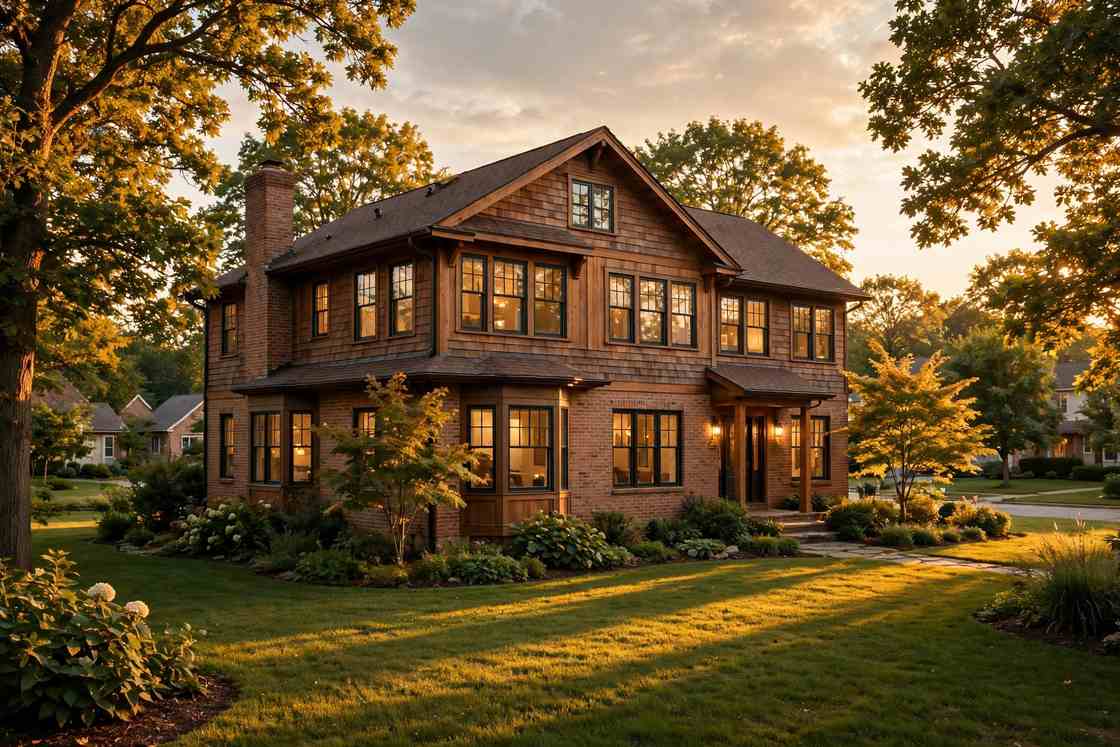
Port Fulton was laid out in 1835 by Victor Neff and named for Robert Fulton. It grew as a steamboat-building centre around Henry French and the Howard family shipyards, later Jeffboat, and it was the site of Jefferson General Hospital from 1864 to 1866. Jeffersonville annexed Port Fulton in 1926, after Port Fulton had resisted annexation in 1853. Two historical descriptions of its extent survive and both are stated here: the original plat, from Jackson Street on the east and Division Street on the west, between Court and Charlestown Streets to the north; and Port Fulton at its height, from the Ohio River to modern 10th Street, from Crestview to Jefferson and Main Streets. No modern boundary is asserted on this page. The evidenced housing stock is narrow and specific: the Henry French House at 217 E. High Street, a two-story Federal brick I-house with a main block from about 1832 and a rear ell from about 1839, individually listed on the National Register on June 29, 1989; and the Howard Home, now the Howard Steamboat Museum, at 1101 E. Market Street, built in 1890, 22 rooms and 15,000 square feet in Richardsonian Romanesque style, individually listed on July 5, 1973, with stained and leaded glass windows noted in its nomination. The age and type mix of ordinary Port Fulton houses beyond those two houses was not verified, and this page does not describe the stock as uniformly 19th-century or import downtown’s profile across Graham Street. Port Fulton lies east of the historic district’s Graham Street edge, so the district review framework does not automatically apply, and whether any local review applies to individually listed properties was not verified. Film on stained or leaded glass is a specialist-assessment question, never a copy claim. The former Jeffboat site remains undeveloped: on October 28, 2026, the Redevelopment Commission approved its purchase, with further board approval still pending and a mid-November 2026 state funding deadline in play. Nothing is built there, and no current demand is claimed from it. For vehicle rules, see the Indiana and Kentucky tint law guide. For the riverfront sun question here, see window tint in Port Fulton and riverfront sun exposure.
- Two houses here are individually listed on the National Register, outside the historic district, so the review question is different from downtown and remains unverified.
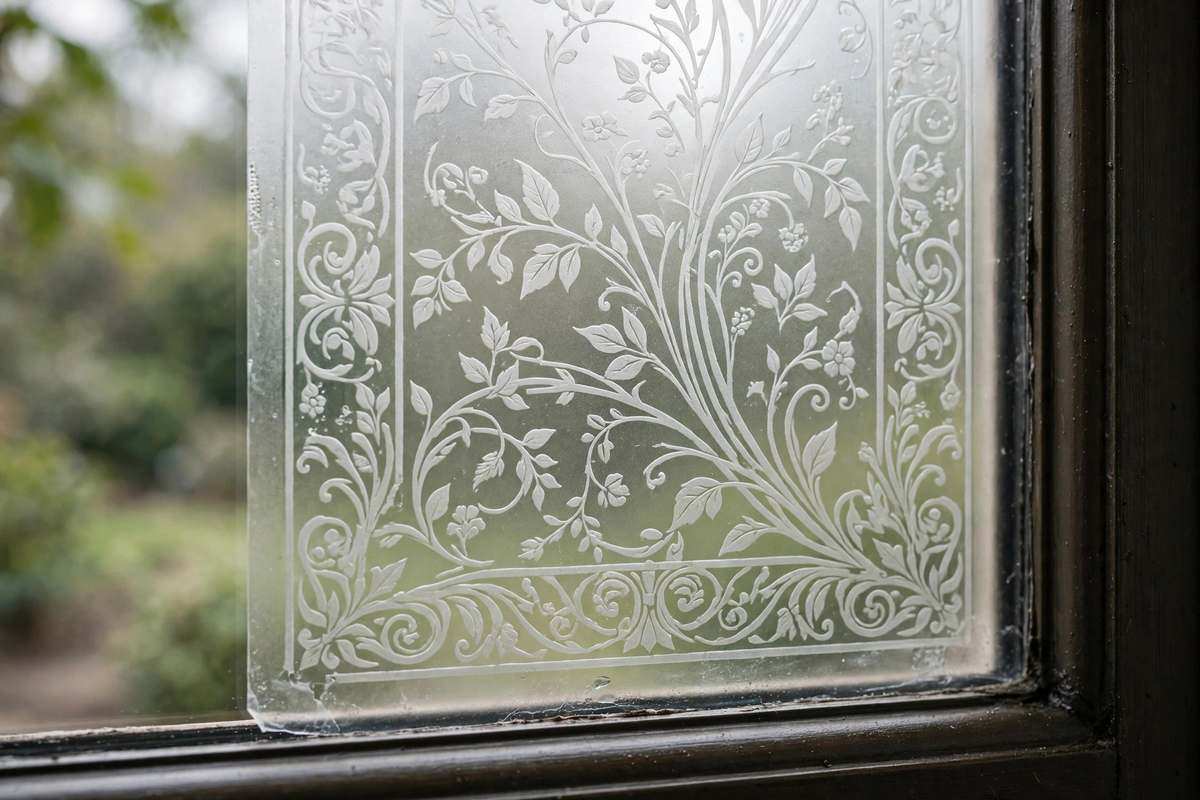
- Stained and leaded glass, noted at the Howard Home, makes film compatibility a specialist-assessment question.
- Riverfront, south-facing, and flood-exposed: the 1937 flood reached the Howard Home’s first floor. Film is not flood protection.
- The JeffBoat redevelopment is a future framework, not current stock. Nothing is built, and no demand is claimed from it.